
Five areas of audiovisual work, planned together
showvary advises on broadcast studio design, camera control systems, stage and event lighting, sound engineering and workflow consulting. Each area can be taken on its own or combined, depending on whether you are building a studio, fitting out a venue or tidying an existing process.
Broadcast Studio Design
Layout and equipment planning for television and streaming studios, from floor plan to cable routes.
Camera Control Systems
Setup and configuration of camera control, vision mixing and remote operation for multi-camera productions.
Stage and Event Lighting
Lighting plans and rigging advice for concerts, festivals and corporate live events.
Sound Engineering
Audio design for studios and live venues, covering microphones, mixing desks and monitoring.
Workflow Consulting
Review and streamlining of production workflows, from signal routing to file handling and delivery.
Tell us what the production needs to do and where it is held. We will describe what each area would involve before anything is agreed in writing.
ServicesPractical planning that production crews can actually follow
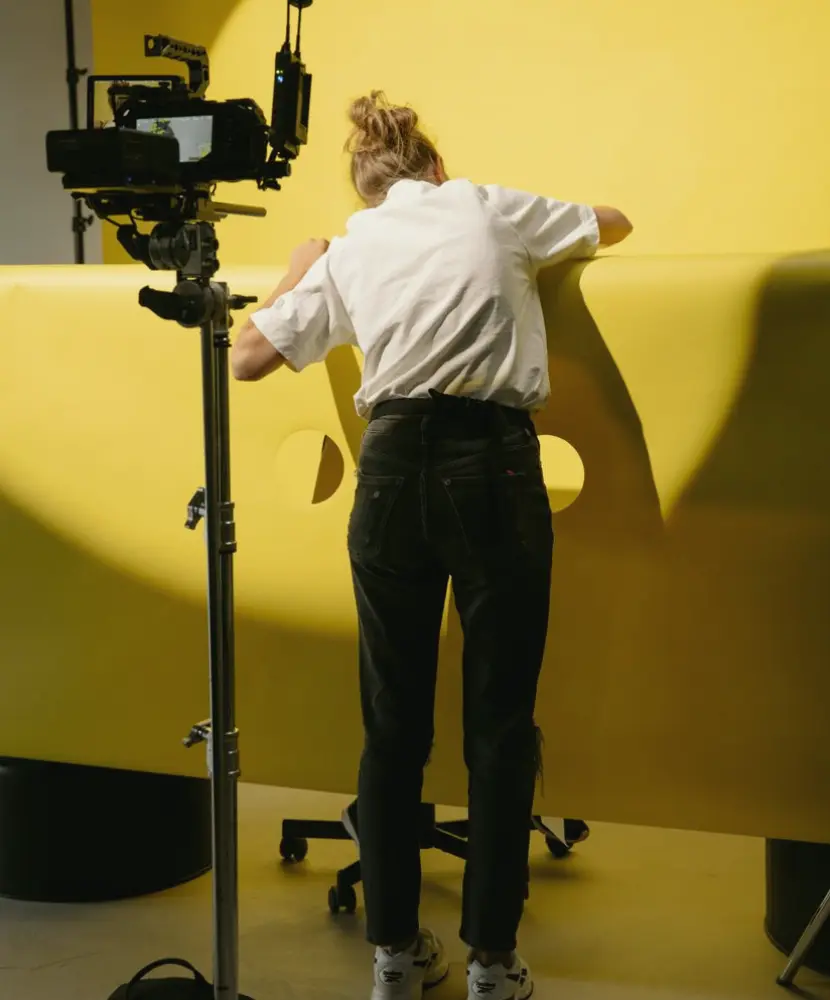
Our advice is written for the people who will run the equipment, not only for those who sign it off. We keep plans readable, explain the reasons behind each choice and leave your team able to operate what is installed.
Layouts planned from the floor up
Studio design starts with the floor plan, camera positions and cable routes. Working through these early means fewer surprises when equipment arrives and a room that stays easy to move around during a long shoot.
Camera control that suits the crew
We configure camera control, vision mixing and remote operation around how many operators you have and what they need to reach quickly, so multi-camera productions stay calm when the schedule tightens.
Lighting and sound considered together
Lighting rigs and audio positions often compete for the same space and power. Planning them side by side for studios and live stages avoids clashes between truss, microphones and monitoring.
Workflows reviewed end to end
From signal routing to file handling and delivery, we look for steps that add effort without adding value, then suggest changes your team can adopt gradually without halting production.
The process
How an engagement moves from first call to handover
Every project follows the same broad sequence, so you know what to expect and what we will ask of you. The detail changes with the size of the studio or event, but the order of work stays familiar.
-
Enquiry through the contact page
You send a short description of the studio, venue or event and what you want to change. We read it, ask follow-up questions where something is unclear and tell you whether the work suits us.
What you leave with
A shared understanding of the brief and the questions still open.
-
Review of the space and equipment
We look at plans, photographs or the site itself, along with the equipment you already own. This shows what can be kept, what needs replacing and where the main constraints lie.
What you leave with
A short list of constraints, existing kit and priorities.
-
Written proposal and quotation
We set out the recommended approach, what is included and what would change the cost. You can question any part of it before deciding whether to go ahead.
What you leave with
A written quotation describing scope and price.
-
Planning and configuration
Once confirmed, we produce the layout, lighting or audio plan, or configure the camera control and workflow changes agreed. We check each stage with you rather than presenting everything at the end.
What you leave with
Drawings, settings or workflow notes your team can use.
-
Handover and notes for your team
We walk your operators through the result and leave written notes covering how it is set up and how to adjust it later, so the knowledge stays with your crew.
What you leave with
Handover notes and a clear point of contact for questions.
What clients say after the work is done
These notes come from producers, studio managers and event organisers who have worked with us. They describe how the projects felt day to day, in their own words.
The studio plan arrived with cable routes and camera positions marked clearly. Our crew could follow it without needing us to translate, and the room has been easy to rig for every shoot since it was fitted out.
We had a lighting rig that kept clashing with our sound positions at live events. The revised plan sorted out where each thing sat and who would adjust it, and set-up became noticeably less hectic for our volunteers.
Our file handling had grown by accident over several years. The review found steps we no longer needed and suggested changes we could make one at a time, so nothing stopped while we adjusted.
The camera control setup was explained to our operators in plain terms, with notes left behind. When a new member joined, they were comfortable on the vision mixer within a couple of sessions.